
No Richland County Warrant List
No official Richland County public active-warrant search or sheriff warrant list was found on the county or Richland County Sheriff's Department pages reviewed in the research. That finding matters because a name search on a private site is not the same as a court or law-enforcement confirmation. Richland County warrant records are split by the court or agency path that produced the process. A General Sessions matter can appear with Clerk criminal records, a summary-court warrant can route through Magistrate or Bond Court, and a municipal bench warrant can connect to the municipal court case record.
Richland County does provide several official fallback channels. Criminal Records at the Clerk of Court handles warrants, indictments, sentencing, tickets, and related General Sessions filings. Bond Court handles bail hearings and sits inside the Alvin S. Glenn Detention Center. Magistrates issue criminal arrest and search warrants. Columbia Municipal Court records are searched through the Public Index by selecting Columbia Municipal Court under Court Agency. If a person has already been booked, the detainee profile may show a warrant code, bond, bond type, bond court, and offense description.
The South Carolina arrest and search warrant statutes frame the legal authority behind warrant records, but the statutes do not create a single Richland County public warrant roster. They help explain why some returned search-warrant records may be kept by the issuing official while active enforcement information may remain outside public online access.
The Statehouse arrest and search warrant code is one of the official sources used to understand Richland County warrant record limits.
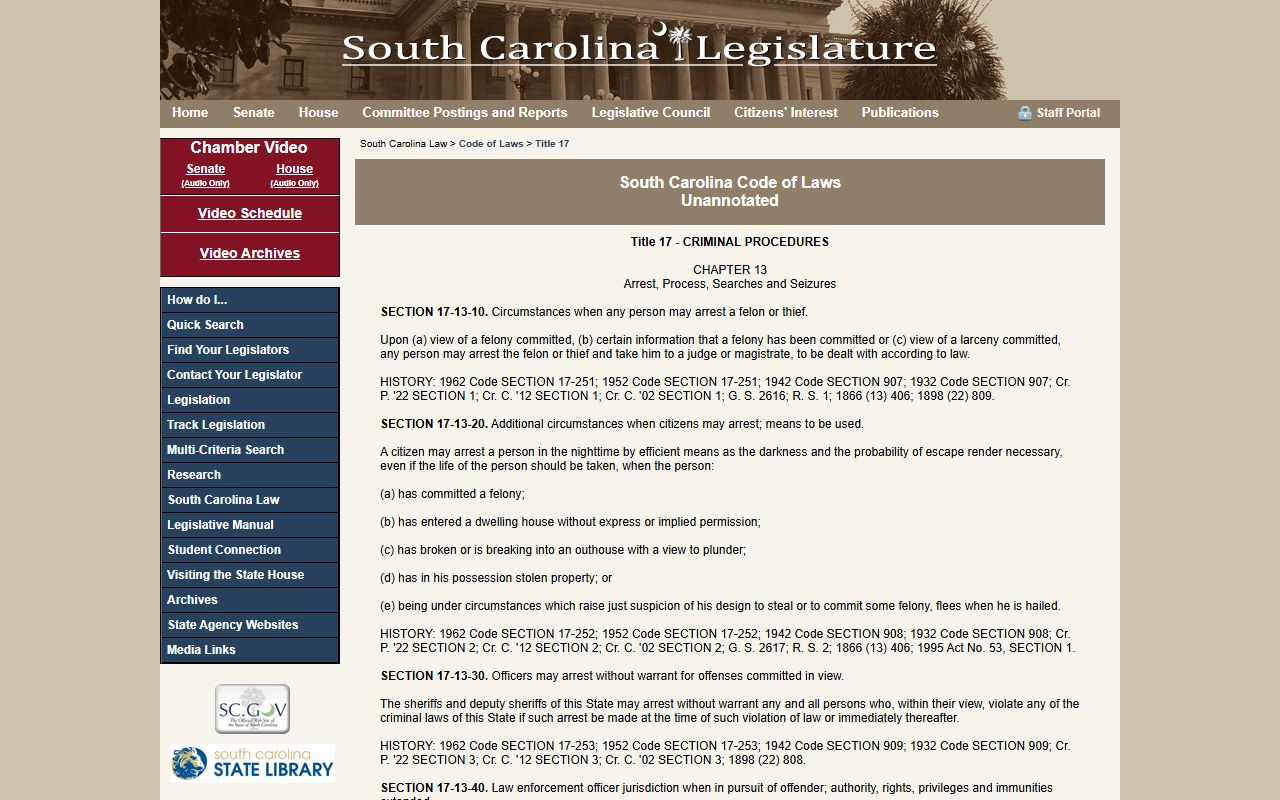
Those state rules are useful background, but a local Richland County warrant check still depends on the right court, Clerk, Bond Court, detainee, or records-request path.
Richland County Warrant Channels
Because no public active-warrant list was confirmed, the strongest search method is a channel-by-channel check. Richland County General Sessions records can include warrants, indictments, sentence sheets, bond papers, and related documents filed with the Clerk. Magistrate and Bond Court channels matter for arrest warrants, search warrants, bail hearings, and bench-warrant issues. Municipal courts matter when the case arose in Columbia or another city court, especially for traffic and lower-level criminal matters.
| Channel | Search or Access Notes |
|---|---|
| Public Index | Use the South Carolina Judicial Branch case records search and Richland Public Index. Cookies and JavaScript are required. |
| Columbia Municipal Court | Select Columbia Municipal Court under Court Agency in Public Index. The city notes records from 1988 to present. |
| Clerk Criminal Records | Call 803-576-1939 for warrants, indictments, sentencing, and tickets in Clerk criminal records. |
| Bond Court | Call 803-576-3281 for the bond-hearing channel. It is not a public active-warrant list. |
| FOIA or records request | Use county, agency, or Solicitor request channels for non-exempt records not available online. |
| RCSD report request | Used for incident or accident reports, not a warrant lookup. |
The South Carolina magistrate criminal process statutes are directly relevant because Richland County Magistrate Court handles criminal process, bail, preliminary hearings, arrest warrants, and search warrants in summary-court matters.
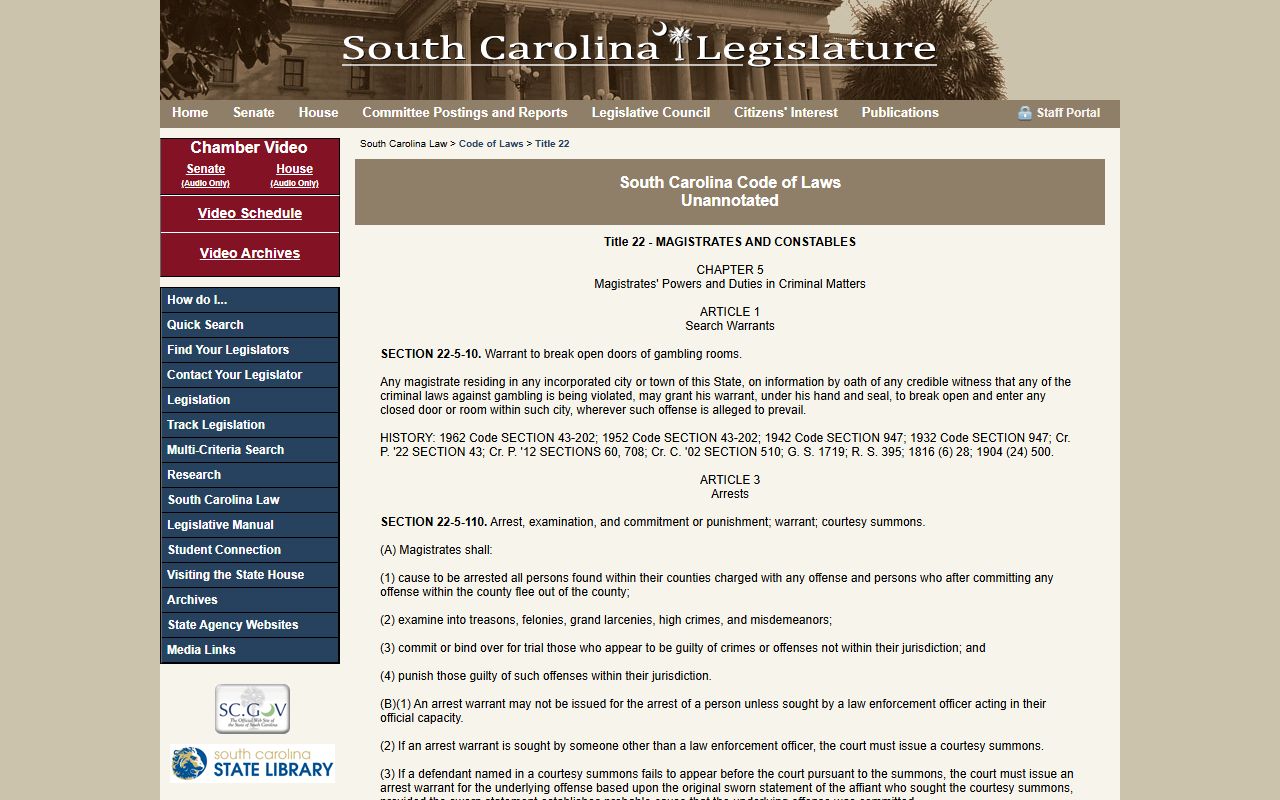
For Richland County warrant records, Magistrate Court may be the practical path when the matter is not yet a General Sessions case or is tied to a lower-level criminal charge.
Types of Richland County Warrants
Richland County warrant records can involve several legal tools. An arrest warrant directs law enforcement to arrest a person. A search warrant authorizes a search based on a sworn showing. A bench warrant is issued by a judge, often after a missed court appearance or failure to comply with a court order. A bond-related warrant can arise when release conditions are violated or when a court appearance is missed after bond has been set.
- Arrest warrant - Used to take a person into custody after a court or magistrate finds the required legal basis.
- Search warrant - Used to search a place, person, or item under a sworn affidavit and statutory rules.
- Bench warrant - Issued from the bench, often tied to failure to appear or failure to obey a court order.
- Municipal warrant - May arise from a municipal court case, including Columbia Municipal Court or another city court.
- Bond-related warrant - Can connect to appearance bond conditions, release terms, or missed court dates.
The South Carolina appearance bond statutes explain why bond status and warrant status can overlap in court records.
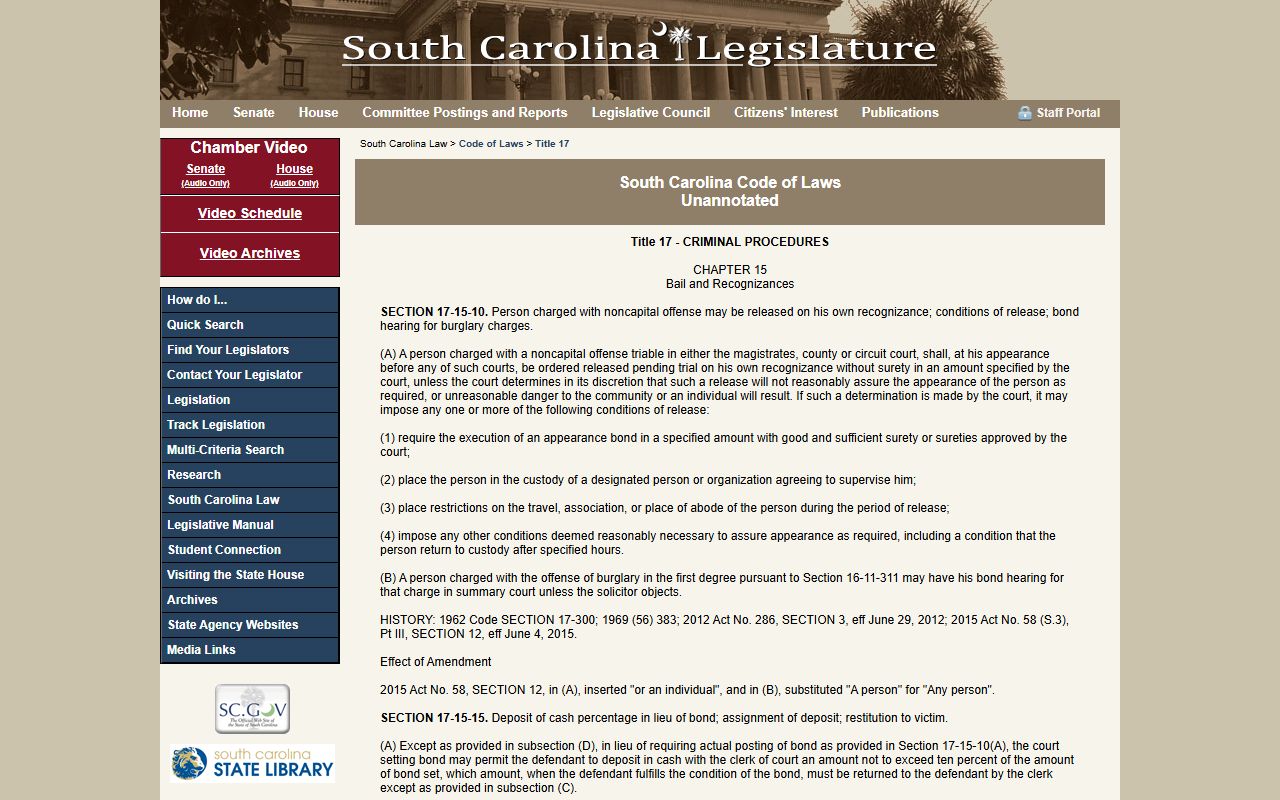
Bond information on a detainee or court record should be read with the issuing court, bond type, and charge because one arrest can include more than one warrant-related entry.
How to Check Richland County Warrants
A careful Richland County warrant check starts by identifying the likely court. Felony and higher-court criminal matters route toward General Sessions and the Clerk. Lower-level criminal process can start with Magistrate Court. Columbia Municipal Court has a separate municipal path through the Public Index Court Agency field. Current custody status is checked through the detainee lookup, which is not a warrant registry but can show current charge and warrant-code fields after booking.
- Search the South Carolina Judicial Branch case records search for Richland County and review any matching criminal or municipal cases.
- For Columbia Municipal Court matters, use the Public Index Court Agency filter for Columbia Municipal Court and review records from the city court path.
- Call Clerk Criminal Records at 803-576-1939 when the matter may involve General Sessions warrants, indictments, sentencing, or tickets.
- Call Bond Court at 803-576-3281 when the question involves a recent arrest, bond setting, or warrant-linked bail issue.
- Search the detainee lookup after an arrest to see whether a current charge table lists warrant code, bond, bond type, bond court, or offense description.
- Use SLED CATCH for full South Carolina criminal-history checks when Clerk records do not cover Magistrate or Summary Court charges.
Richland County court records and jail records do not serve the same function. A court case can show charges, hearings, and filed documents. A detainee record can show whether a person is currently detained and whether current charges include a warrant code. For current jail custody details, the Richland County inmate search path is the better source.
Richland County Warrant Fields
The research did not find a dedicated warrant-search form with public search fields. The closest warrant-adjacent field set appears in the detainee lookup after a person has been booked. Those entries are not a complete active-warrant registry. They are custody-related fields attached to current charges. A court file may also show warrant, indictment, sentence sheet, bond paper, and related Clerk filings when those documents are part of General Sessions records.
| Field | What It Shows |
|---|---|
| Warrant Code | Local or court identifier attached to a current charge entry in the detainee profile. |
| Bond | Bond amount or bond status shown for a current charge after booking. |
| BondType | Bond type such as surety bond, cash bond, personal recognizance, or bond denied. |
| BondCourt | Court tied to the bond or current charge entry. |
| OffenseDescription | Plain description of the charged offense attached to the custody record. |
| Case record documents | Possible warrants, indictments, sentence sheets, and bond papers filed in Clerk criminal records. |
The Richland County Public Defender page is not a warrant search, but it is an official local resource when an outstanding warrant may require defense counsel.
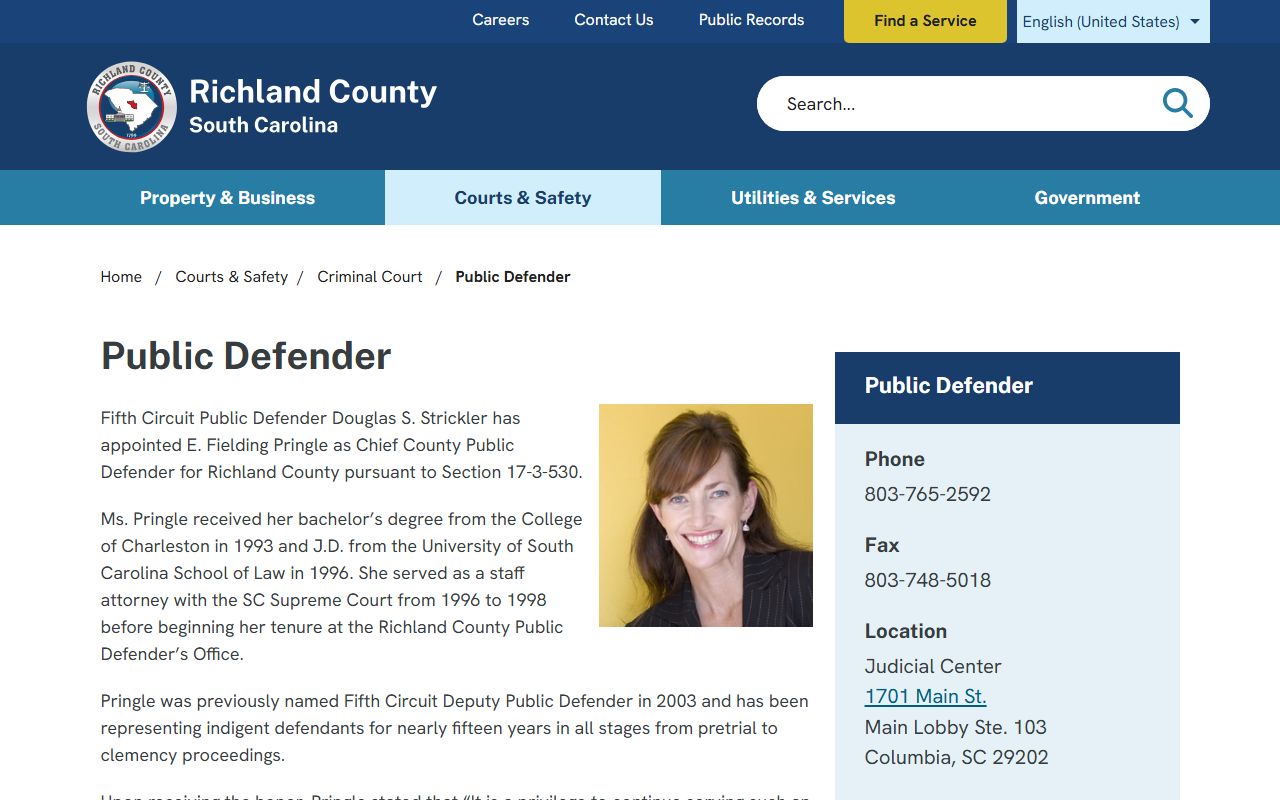
Legal help is especially important where a warrant is tied to a pending criminal charge, missed hearing, or bond condition.
Note: A detainee warrant code confirms a custody record field, not the absence or presence of every active Richland County warrant.
Richland County Warrant Requests
When the warrant record is not visible in Public Index or a detainee profile, the next step is a direct records channel. The county FOIA process applies to non-exempt public records held by county bodies. The Solicitor's Office also has a FOIA form for records within its office. That form is unusually specific because it requires a warrant number for defendant or victim requests, so a vague request may need more identifying information before staff can locate a responsive file.
The Fifth Judicial Circuit Solicitor FOIA form collects requester identity, organization, address, email, phone, warrant number, requested information, requester type, and fee acknowledgments.
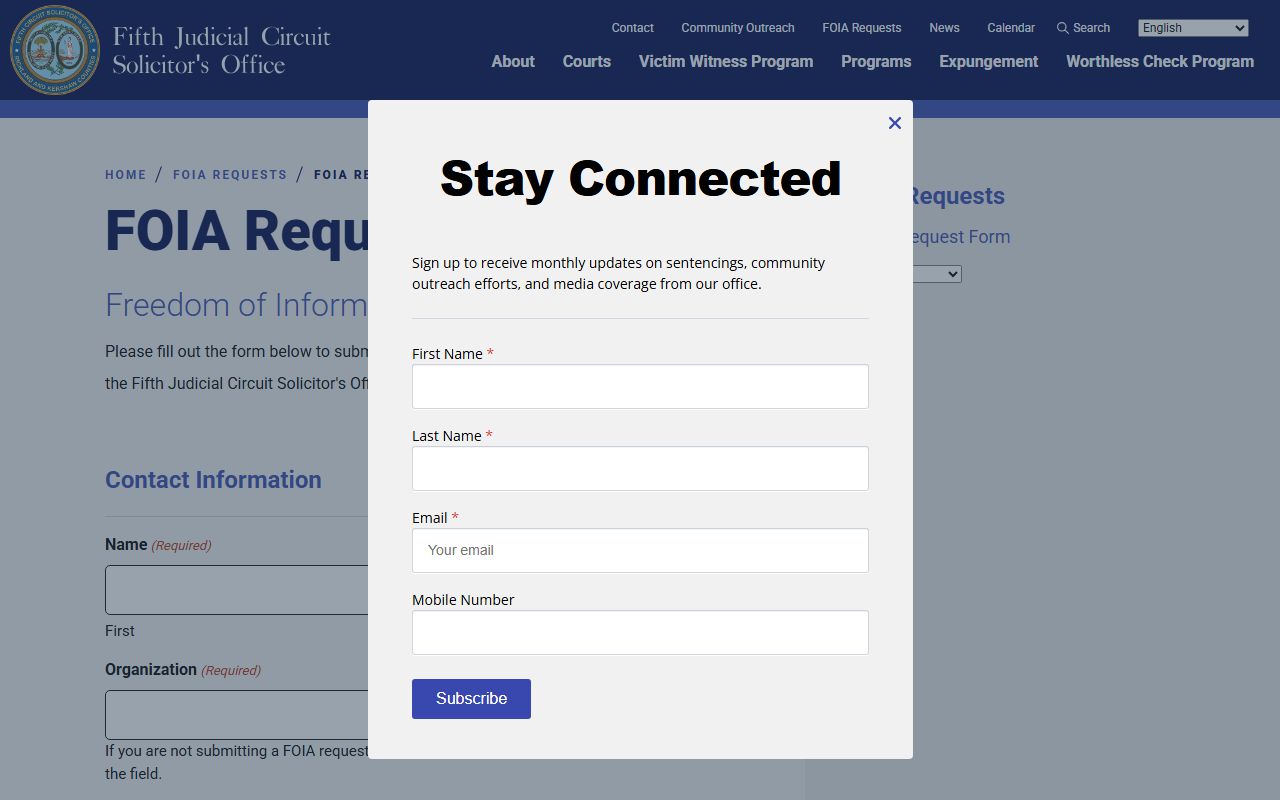
Solicitor FOIA is a records-request route, not a live warrant clearance tool, so urgent active-warrant questions should be directed to the court, Clerk, Bond Court, or counsel.
| Request Path | Use When | Key Detail |
|---|---|---|
| County GovQA FOIA | A county-held non-exempt public record is needed. | Fees may include search, retrieval, redaction, off-site retrieval, and deposits. |
| Solicitor FOIA | A prosecution-related record is held by the Fifth Judicial Circuit Solicitor. | The form requires a warrant number and fee acknowledgments. |
| Clerk in person or mail | A General Sessions warrant, indictment, sentence sheet, or bond paper is filed with the Clerk. | Criminal Records is on the fourth floor at the Judicial Center. |
Resolving a Richland County Warrant
A person who may have an outstanding Richland County warrant should not rely on a name-search result alone. The practical sequence is to identify the court, confirm the record with the direct court or records number, and speak with counsel before surrender. Bond Court accepts cash, money orders, and cashier's checks only, so payment form should be confirmed before arrival. A municipal bench warrant may require contact with the municipal court, while a General Sessions issue may require the Clerk, Solicitor, or defense counsel.
Important: Confirm the issuing court and speak with an attorney before appearing on a warrant or arranging surrender.
Diversion and treatment-court programs can also affect some Richland County criminal cases. The Fifth Judicial Circuit Solicitor diversion programs include options such as treatment courts, pre-trial intervention, traffic education, expungement, and related prosecution programs.
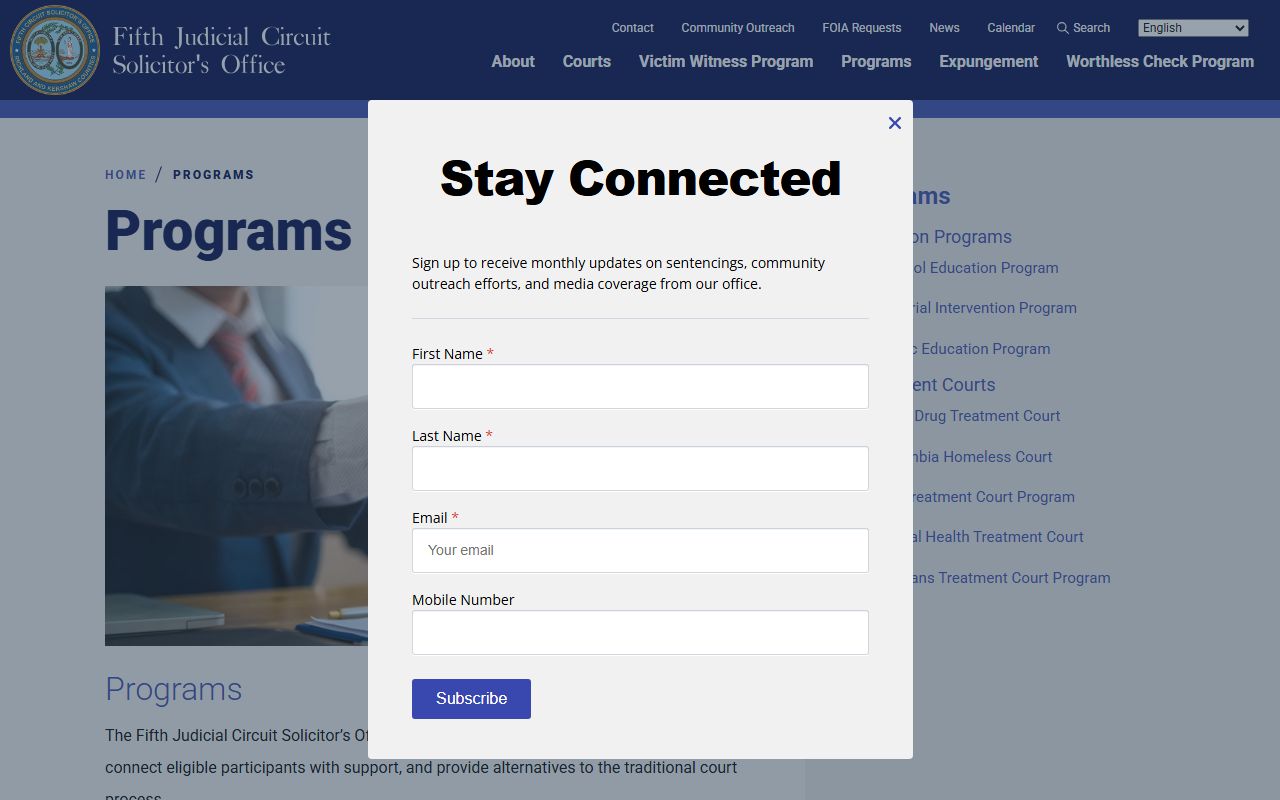
Diversion is not a warrant lookup, but it can matter after a warrant-linked charge becomes part of an active prosecution file.
Restricted Richland County Warrants
Some Richland County warrant records may not be available to the public at the time a person searches. Search warrants can involve active investigations. Juvenile matters are restricted. Sealed records are closed by law or court order. Some online case images may be unavailable even when the case exists in Public Index. A returned warrant or affidavit record may also follow state retention and access rules that differ from a live active-warrant list.
South Carolina Rule 41.1 sets sealing procedure for civil records and reinforces open-record principles, while Rule 41.2 places redaction responsibility on parties and counsel. FOIA exemptions can limit release of law-enforcement or confidential material. For Richland County warrant searches, those rules mean an online absence should be treated as inconclusive unless the issuing court or records office confirms the status.